
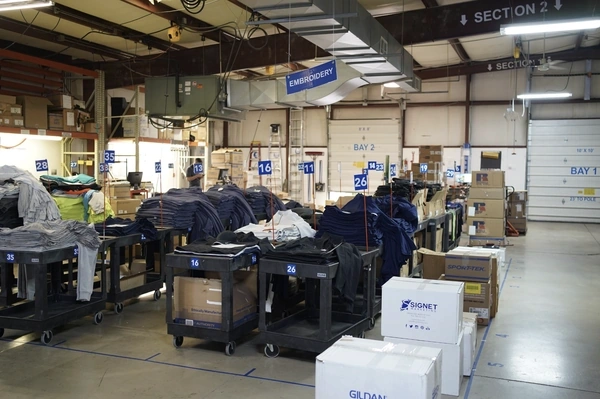
Walk through any trade show and you can spot the difference instantly: some teams wear their company apparel like a uniform they were assigned, and others wear it like clothing they chose. The second group is doing free marketing every time they leave the house.
Branded apparel only works if people actually wear it, and wearability gets designed in from the first decision, not added at the end. Here is the playbook for apparel your team reaches for on weekends.
How do you design branded apparel people actually want to wear?
Start with a garment people would buy at retail, keep the logo smaller and more subtle than instinct suggests, build around wearable colors, and match the decoration method to the fabric. Comfort and fit decide whether apparel becomes a favorite or lands in the donation pile, and no logo placement can rescue a scratchy shirt.
The mindset shift is simple: you are not printing logos, you are making clothes. Every choice should pass the same test the recipient will apply, which is “would I wear this if it were blank?” Answer that honestly at each step and the rest of the process gets easy.
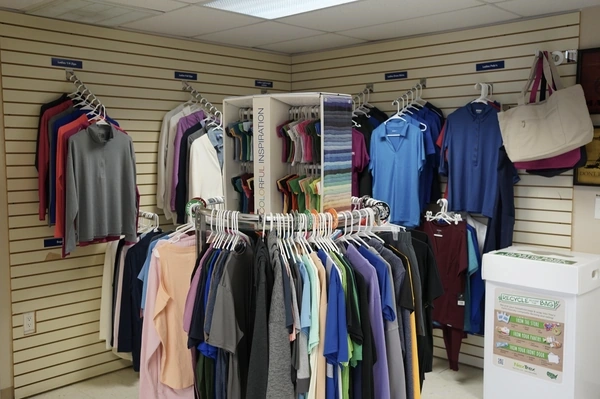
The garment comes first, always
Fabric and fit carry the whole project. Ringspun cotton and modern blends feel dramatically better than the cheapest tee on the price list, and recognizable retail brands signal that you did not cut corners on your own people. The upgrade from a $4 blank to a $9 blank is the highest return dollar in the entire order. Ask your supplier for blank samples before committing, because hands and shoulders judge fabric better than product photos ever will.
Fit matters just as much as fabric. Offer a full size run, and where possible, multiple cuts so everyone on the team gets something that actually fits. One style forced onto every body type guarantees a chunk of your order never gets worn, which quietly makes the cheap option the expensive one. Collect sizes with a simple form up front rather than guessing at a curve, and keep a few extras on hand for new hires.
Logo size, placement, and the power of restraint
The most wearable branding is smaller than most first drafts: a left chest logo around three to four inches wide, a small hit on a sleeve or the back yoke, or an embroidered mark at the collar. People will happily wear a brand. They resist becoming a billboard.
Tone on tone decoration, such as black stitching on charcoal or white ink on heather gray, takes this further and produces apparel that reads premium at a glance. Save the oversized front and back prints for event and giveaway shirts, where loud is the point and the lifespan is a weekend. A useful gut check: if you would not wear the mockup to a casual dinner, shrink the logo and look again.
Choose colors people already wear
Build the program around neutrals that flatter almost everyone: black, navy, charcoal, and heather gray. These blend into existing wardrobes, which is exactly what you want, because apparel that matches what people already own gets worn far more often. Your brand color usually works best as the logo accent rather than the shirt itself. There is a reason the most worn piece of company gear in any office is almost always the plainest one in the program.
Think about context too. Dark bodies hide wear and stains for field teams, lighter colors suit summer events, and everything should be checked on camera if your team appears in video calls or content. When brand color garments make sense, order them as the accent piece of a mostly neutral program. When in doubt, order the neutral, because nobody has ever complained that a charcoal quarter zip was too wearable.
Match the decoration to the fabric
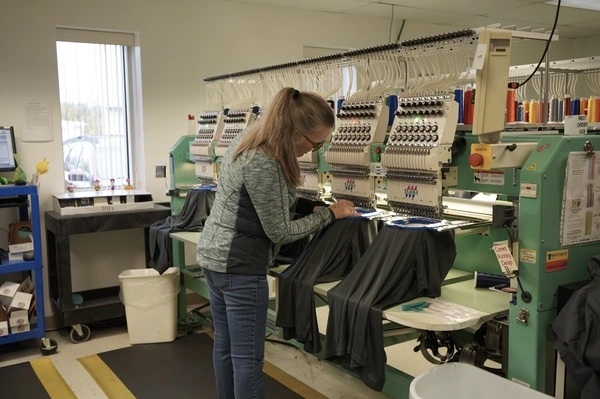
Embroidery is the professional standard for polos, quarter zips, outerwear, and hats: it lasts for years and adds a dimensional, premium feel. Screen printing rules cotton tees and hoodies, delivering soft, durable artwork at the best price in quantity. Performance polyester calls for heat applied transfers or specialty inks, because standard methods can pucker or fade on technical fabric.
Getting this pairing wrong is how good garments get ruined: heavy embroidery puckering a thin tee, or plastisol ink cracking on stretch fabric. A good apparel partner flags these mismatches before they ever reach production, and that guidance is exactly what you should expect from one. The fix costs nothing at the proof stage and costs the entire order once it happens in the wash.
Bottom Line
Apparel your team is proud to wear starts with retail quality garments, restrained logos, wearable colors, and the right decoration method for the fabric. Design for the person wearing it and the brand impressions follow on their own. Signet Marketing builds branded apparel programs on exactly these principles, from fabric selection through the final stitch. Send us your logo and we will show you apparel your team will actually fight over.
Related reading: our custom apparel services
Recent Comments