
Two decoration methods dominate branded apparel, and they could not be more different: one pushes ink through mesh, the other sews thread into fabric. Pick right and your gear looks sharp for years. Pick wrong and logos crack, pucker, or peel.
The choice is rarely about taste alone. Fabric, quantity, artwork, and budget all get a vote, and most of the time they point clearly in one direction. Learn the logic once and every future apparel order gets easier to spec. Here is how to read the signals.
Should you choose screen printing or embroidery for your apparel?
Screen printing is usually the right choice for tees, hoodies, large designs, and big quantities, delivering vibrant artwork at the lowest cost per piece. Embroidery is the pick for polos, outerwear, and hats, where a stitched logo reads as more professional and survives years of washing. In most cases, the garment and the job decide for you.
The simplest rule in the industry: casual cotton gets printed, professional and structured pieces get stitched. Exceptions exist, but that one sentence gets you 80 percent of the way there. Hold the rule up against any order and you will usually find your answer waiting.
How each method actually works
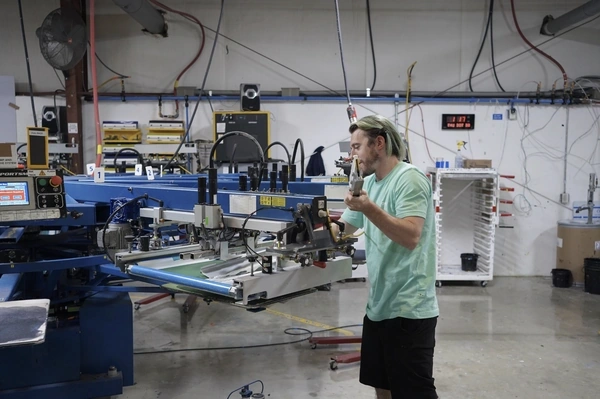
Screen printing pushes ink through a fine mesh screen onto the fabric, one screen per color, then cures the ink with heat. It produces bold, saturated artwork and handles large designs, gradients, and fine detail beautifully, especially on cotton and cotton blends. Specialty inks widen the range further, from soft finishes that feel like part of the shirt to puff and metallic effects for retail looks.
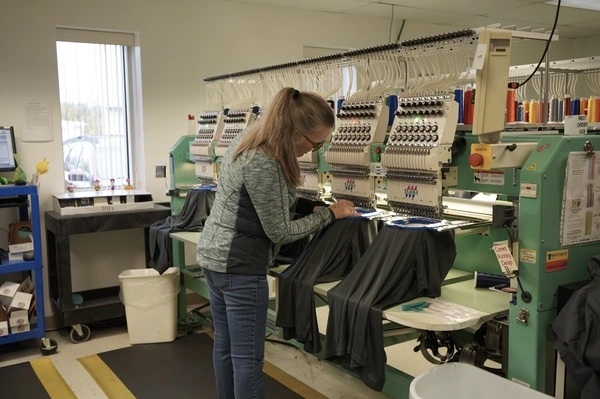
Embroidery converts your logo into a digitized stitch file, then sews it in colored thread directly into the garment. The result has physical texture and depth that ink cannot match. The tradeoffs: very small text gets muddy below about a quarter inch tall, and photorealistic artwork simply does not translate into thread. Clean digitizing is the difference between crisp stitching and a blurry patch, so invest in a good file once and reuse it forever.
The cost math: setup fees vs stitch count
Screen printing charges setup per color and location, typically $25 to $75 each, but the per piece price drops fast with volume, which makes it the runaway winner for larger runs of event shirts and team tees. A one color print on 200 shirts is about as cheap as good decoration gets.
Embroidery skips per color charges entirely, since a six color logo sews as easily as a one color one. Instead, pricing scales with stitch count, plus a one time digitizing fee of roughly $25 to $100. That makes embroidery surprisingly economical on small orders and standard left chest logos. For a dozen polos with a chest logo, embroidery usually wins on price and looks better doing it. As always, prices vary by shop, artwork, and quantity.
Durability and the look each one gives
Embroidery is the marathon runner: thread shrugs off industrial washing, sun, and years of wear, which is why uniforms and outerwear default to it. It reads as premium and put together, adding perceived value to polos, jackets, and caps that ink rarely matches.
Quality screen printing is durable too, softer against the skin, and better for large artwork, but ink sits on top of the fabric and will eventually show wear after enough wash cycles, especially cheap prints applied badly. Weight matters as well: dense embroidery can pucker thin tees, while big heavy prints can stiffen lightweight fabric. Match the muscle to the frame. For uniforms that get washed hard and often, thread simply outlasts ink, and it is not close.
Matching the method to the garment
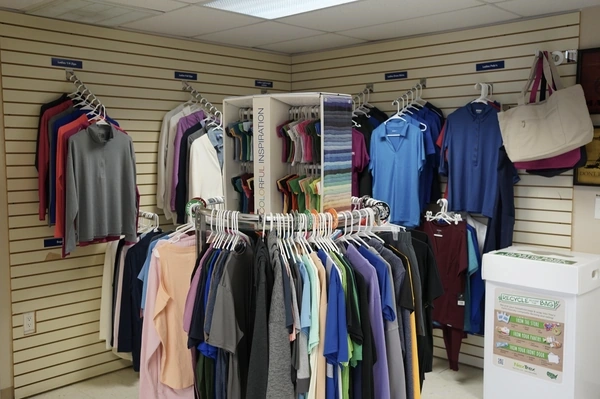
Print it: cotton tees, hoodies, sweatshirts, event and giveaway shirts, retail style graphics, and any run in the hundreds. Stitch it: polos, quarter zips, jackets, vests, hats, bags, and anything structured or professional. Hats are effectively embroidery only territory, since curved crowns and flat screens do not get along.
Performance polyester deserves special mention. Standard plastisol ink and heavy stitching can both misbehave on stretchy technical fabric, so ask about heat applied transfers or specialty inks for athletic gear. Most real apparel programs end up using both methods, with one logo adapted for print and thread and applied wherever each belongs. Your decorator should ask what each garment is made of before quoting, and it is a small red flag when they do not.
Bottom Line
Screen printing wins on cost and bold artwork for casual cotton in volume, while embroidery wins on durability and polish for polos, outerwear, and hats. Let the garment, the artwork, and the order size make the call, and adapt one logo for both methods so your whole program still matches. Signet Marketing guides B2B brands to the right decoration for every piece, from digitizing artwork through final delivery. Send us your logo and your wish list, and we will spec it the right way the first time.
Related reading: How to Design Branded Apparel Your Team Is Proud to Wear, How Much Do Custom Promotional Products Cost in 2026
Recent Comments